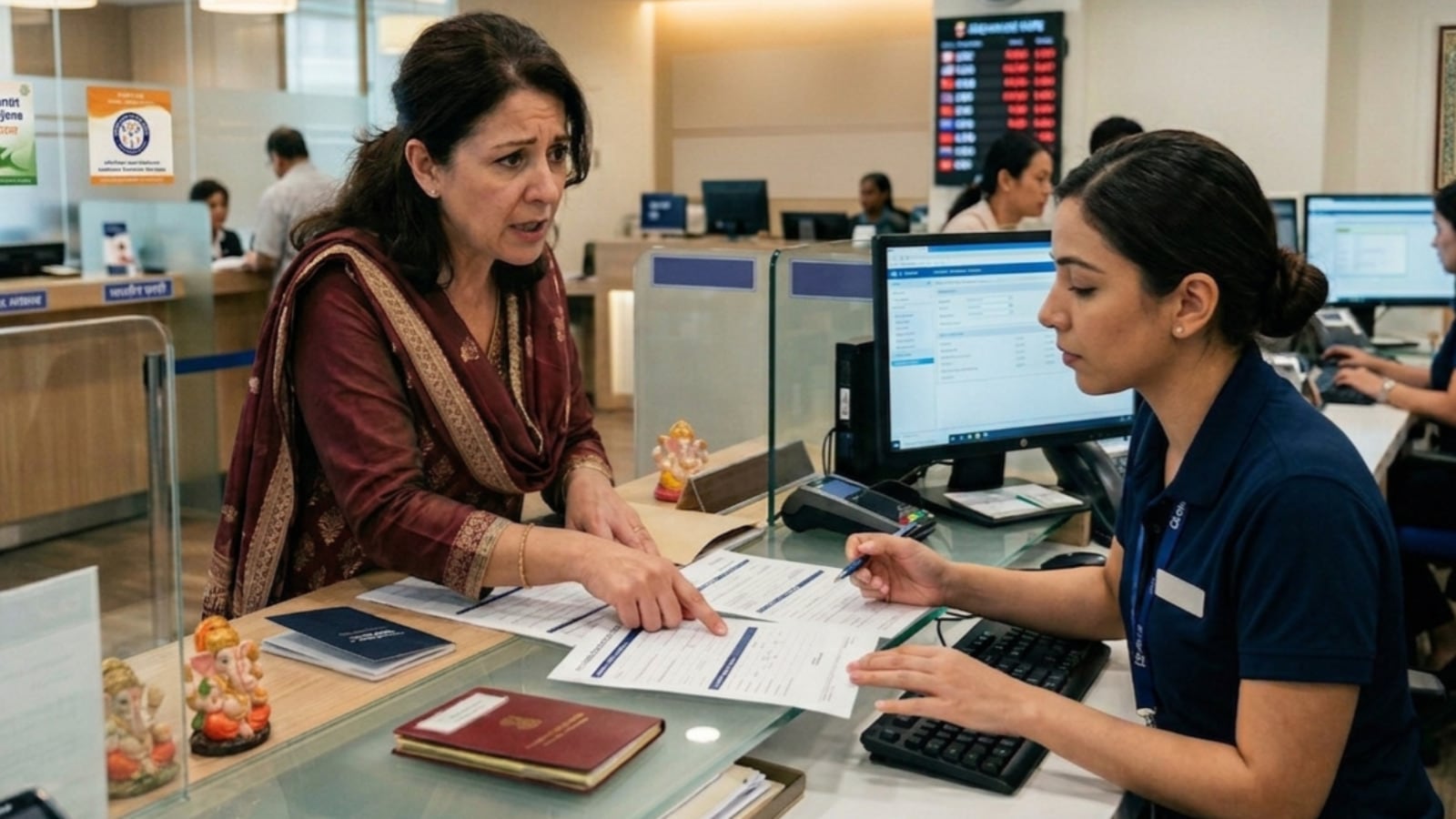
Woman moves Karnataka High Court to recover Rs 3.25 lakh erroneously sent to ‘untraceable’ account holder
June 02, 2026
The housewife approached the Karnataka High Court after the RBI’s ombudsman upheld Federal Bank’s stance that it can’t reverse the amount without the account holder’s consent.
Earlier, advocate Muhammad Irshad M H, appearing for Jaleel, said the bank had not provided her with details of the beneficiary account. He submitted that the bank has marked a lien on the amount but refused to reverse it without the account holder’s consent.
For its part, the bank said the amount cannot be reversed without either M/s Standard Engineering Works’ consent or a court order.
Justice Suraj Govindaraj noticed that the holder of the dormant account was not made a party to the proceedings.
“Procedurally, what they (bank) are saying is right. Your relief will get a bit delayed, but you will get the relief. We will permit you to issue hand summons to the dormant account holder, and if they are not there, they are not there,” the judge orally said.
The matter has been posted for further hearing on June 15.
Jaleel transferred the amount to M/s Standard Engineering Works on December 17, 2025, after erroneously typing 1916 instead of 1619. A day later, she alerted the bank of the error. On December 19, the bank issued written rejections of her representations.
On January 31, 2026, she approached the Reserve Bank of India’s banking ombudsman. However, the ombudsman summarily rejected the complaint on February 19, noting that the bank’s inability to unilaterally reverse funds does not constitute service failure, as regulatory frameworks explicitly require beneficiary consent for such reversals.
Jaleel’s petition states that the banking ombudsman failed to realise that “consent” is impossible to obtain from an “untraceable” person and that the state cannot legally seize a citizen’s money to pay another’s tax.
Jaleel also claimed that being deprived of her own money was a violation of Article 300 A of the Constitution, which says that no person can be deprived of their property except by the authority of law.
For its part, the bank said the amount cannot be reversed without either M/s Standard Engineering Works’ consent or a court order.
Justice Suraj Govindaraj noticed that the holder of the dormant account was not made a party to the proceedings.
“Procedurally, what they (bank) are saying is right. Your relief will get a bit delayed, but you will get the relief. We will permit you to issue hand summons to the dormant account holder, and if they are not there, they are not there,” the judge orally said.
The matter has been posted for further hearing on June 15.
Jaleel transferred the amount to M/s Standard Engineering Works on December 17, 2025, after erroneously typing 1916 instead of 1619. A day later, she alerted the bank of the error. On December 19, the bank issued written rejections of her representations.
On January 31, 2026, she approached the Reserve Bank of India’s banking ombudsman. However, the ombudsman summarily rejected the complaint on February 19, noting that the bank’s inability to unilaterally reverse funds does not constitute service failure, as regulatory frameworks explicitly require beneficiary consent for such reversals.
Jaleel’s petition states that the banking ombudsman failed to realise that “consent” is impossible to obtain from an “untraceable” person and that the state cannot legally seize a citizen’s money to pay another’s tax.
Jaleel also claimed that being deprived of her own money was a violation of Article 300 A of the Constitution, which says that no person can be deprived of their property except by the authority of law.