RBI’s New Draft Norms On Immovable Assets Explained: Impact On Banks And Borrowers
May 06, 2026
RBI has proposed new draft rules for banks and NBFCs acquiring immovable assets during loan recovery from defaulting borrowers
Last Updated:May 06, 2026, 14:58 IST
RBI has proposed new draft rules for banks and NBFCs acquiring immovable assets during loan recovery from defaulting borrowers
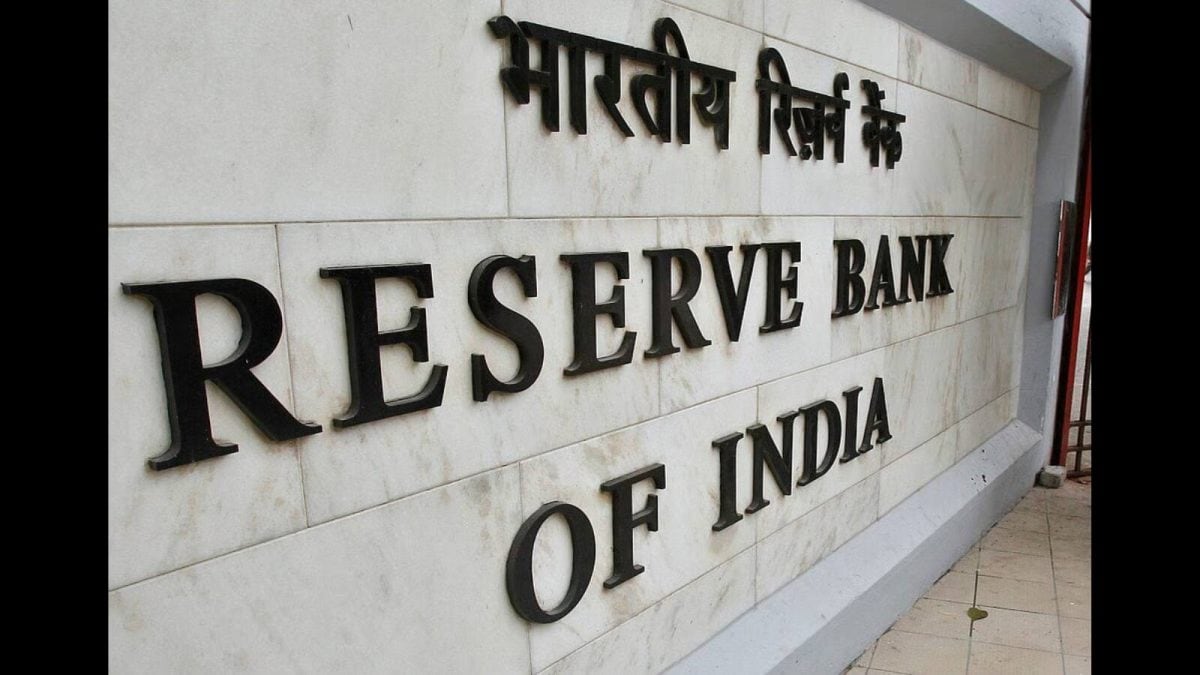
The Reserve Bank of India (RBI) on Tuesday released draft guidelines governing how regulated entities (REs) such as banks, NBFCs and other licensed lenders can acquire immovable assets during loan recovery proceedings in exceptional situations.
Typically, lenders do not take ownership of non-financial assets such as residential properties, land or machinery as part of their routine lending operations. However, such situations can arise when loans turn non-performing and borrowers fail to repay dues despite recovery efforts and legal action.
In these cases, lenders may take possession of immovable assets pledged as collateral as part of the recovery process.
What has RBI proposed?
Under the draft framework titled ‘Prudential Norms on Specified Non-financial Assets Directions’, the RBI has proposed that lenders should dispose of such assets in a controlled, transparent and time-bound manner to maximise recovery value.
The central bank said the sale process should be conducted on an arm’s-length basis and in a financially prudent manner.
“Only exposures classified as non-performing, in respect of which other recovery options have been explored and assessed to be unviable, shall be eligible for extinguishment in terms of these directions," the RBI said in the draft guidelines, which are currently open for public comments.
The RBI has also proposed rules on how long lenders can hold such assets and restrictions on who can purchase them.
Under the framework, any immovable asset acquired by a lender—either fully or partially—in settlement of a borrower’s dues will be classified as a “Specified Non-financial Asset" (SNFA).
What does this mean for borrowers?
The proposed norms allow regulated entities to acquire SNFAs in lieu of complete or partial settlement of loans.
In simple terms, consider a borrower who has taken a ₹1 crore loan and defaults on repayment. As a last recovery measure, the lender may take possession of a house or another immovable asset pledged as collateral.
If the property’s value is equal to the outstanding loan amount, the debt is fully extinguished. However, if the property is worth less than the dues, the remaining balance will continue to be payable by the borrower and may be treated as a restructured loan under existing norms.
Maximum holding period capped at seven years
To ensure lenders do not indefinitely hold such assets, the RBI has proposed a maximum holding period of seven years for SNFAs.
The central bank has also proposed safeguards to prevent misuse of the framework.
“To mitigate moral hazard, REs shall be prohibited from selling the SNFA back to the borrower or to any related party of the borrower," the draft said.
According to the RBI, the proposed norms are aimed at bringing greater clarity to the prudential treatment of such assets and standardising practices across lenders. The central bank has invited stakeholder comments on the draft framework until May 26.
News business banking-finance RBI’s New Draft Norms On Immovable Assets Explained: Impact On Banks And Borrowers
RBI has proposed new draft rules for banks and NBFCs acquiring immovable assets during loan recovery from defaulting borrowers
The Reserve Bank of India (RBI) on Tuesday released draft guidelines governing how regulated entities (REs) such as banks, NBFCs and other licensed lenders can acquire immovable assets during loan recovery proceedings in exceptional situations.
Typically, lenders do not take ownership of non-financial assets such as residential properties, land or machinery as part of their routine lending operations. However, such situations can arise when loans turn non-performing and borrowers fail to repay dues despite recovery efforts and legal action.
In these cases, lenders may take possession of immovable assets pledged as collateral as part of the recovery process.
What has RBI proposed?
Under the draft framework titled ‘Prudential Norms on Specified Non-financial Assets Directions’, the RBI has proposed that lenders should dispose of such assets in a controlled, transparent and time-bound manner to maximise recovery value.
The central bank said the sale process should be conducted on an arm’s-length basis and in a financially prudent manner.
“Only exposures classified as non-performing, in respect of which other recovery options have been explored and assessed to be unviable, shall be eligible for extinguishment in terms of these directions," the RBI said in the draft guidelines, which are currently open for public comments.
The RBI has also proposed rules on how long lenders can hold such assets and restrictions on who can purchase them.
Under the framework, any immovable asset acquired by a lender—either fully or partially—in settlement of a borrower’s dues will be classified as a “Specified Non-financial Asset" (SNFA).
What does this mean for borrowers?
The proposed norms allow regulated entities to acquire SNFAs in lieu of complete or partial settlement of loans.
In simple terms, consider a borrower who has taken a ₹1 crore loan and defaults on repayment. As a last recovery measure, the lender may take possession of a house or another immovable asset pledged as collateral.
If the property’s value is equal to the outstanding loan amount, the debt is fully extinguished. However, if the property is worth less than the dues, the remaining balance will continue to be payable by the borrower and may be treated as a restructured loan under existing norms.
Maximum holding period capped at seven years
To ensure lenders do not indefinitely hold such assets, the RBI has proposed a maximum holding period of seven years for SNFAs.
The central bank has also proposed safeguards to prevent misuse of the framework.
“To mitigate moral hazard, REs shall be prohibited from selling the SNFA back to the borrower or to any related party of the borrower," the draft said.
According to the RBI, the proposed norms are aimed at bringing greater clarity to the prudential treatment of such assets and standardising practices across lenders. The central bank has invited stakeholder comments on the draft framework until May 26.
News business banking-finance RBI’s New Draft Norms On Immovable Assets Explained: Impact On Banks And Borrowers