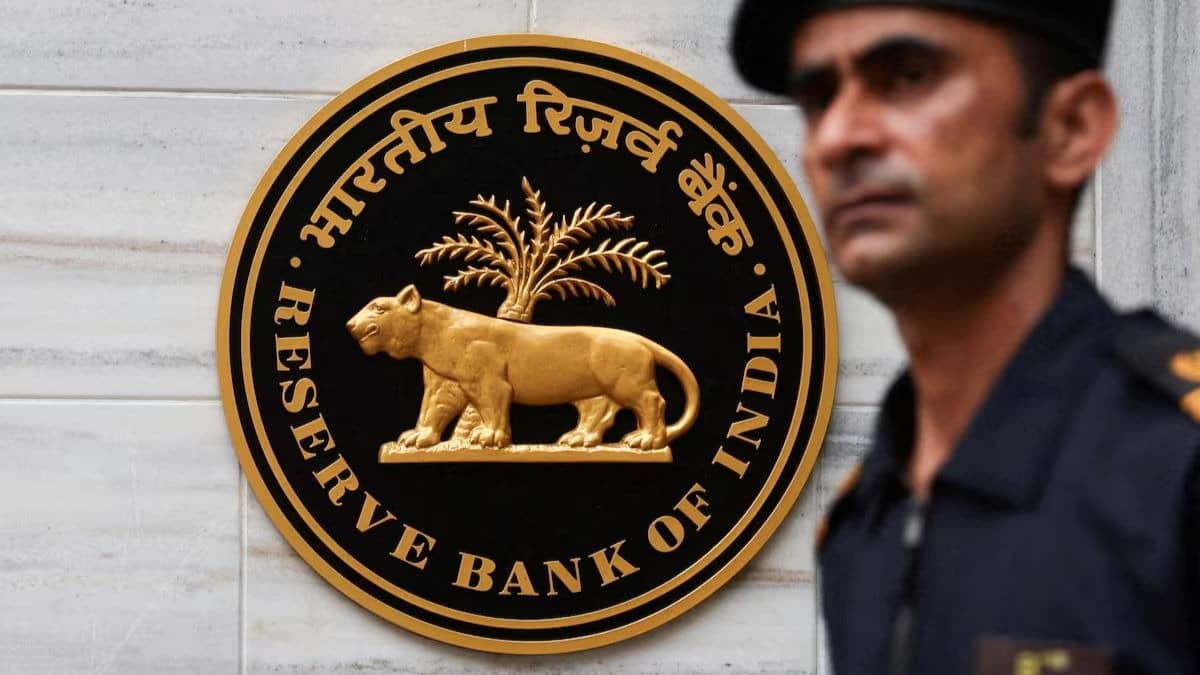
RBI Interest Rate Policy: Why June Status Quo Shields India From Global Shocks
May 27, 2026
Inside the upcoming RBI MPC meeting. Discover why a 5.25% rate hold is a tactical shield against $100 crude oil, a ₹97 rupee, and imported inflation.
Despite booming domestic demand, severe external pressures are forcing a pivot in the central bank's near-term playbook. Geopolitical friction in West Asia has pushed Brent crude oil prices beyond the $100 per barrel mark. Simultaneously, emerging market currency stress has dragged the Indian Rupee to record lows near ₹97 against the US dollar.
"With the Indian Rupee hitting record lows near ₹97 per dollar and Brent crude oil surging past $100 per barrel due to geopolitical tensions in the Middle East, the central bank's primary focus will shift from domestic metrics to managing external shocks and 'imported' inflation," explained Abhishek Bhilwaria, AMFI-registered MFD.
Bhilwaria added that the market will closely watch for any downward revisions to the current FY27 GDP growth projection of 6.9%, updates on currency defense strategies, and signals regarding potential rate hikes in the second half of the fiscal year if global commodity pressures persist.
Anand K Rathi, Co-Founder of MIRA Money, echoed this focus on external stress factors. "At this stage, the broader expectation is that the RBI will continue with a neutral stance while closely assessing the evolving global macroeconomic environment, particularly the impact of the ongoing energy-related uncertainty on inflation and growth," Rathi said.
Advertisement
According to Rathi, the central bank must balance domestic indicators with global realities. “Any prolonged rise in crude oil and energy prices could potentially create pressure both on consumption and overall economic momentum going forward. Another key area markets will closely watch will be the RBI’s commentary around the rupee. With global volatility and pressure on emerging market currencies, investors will be keen to see whether the central bank hints at any liquidity or currency-supportive measures to maintain stability in the forex markets.” Rathi also noted that the revised inflation calculations, which now include a wider basket of food-related items, could also influence RBI’s future inflation outlook and commentary.
Managing the Inflation
The sudden escalation in global energy costs is threatening to spill over into local consumer prices. Financial experts believe the central bank must act as a circuit breaker to prevent these external supply shocks from entrenching themselves into the domestic core inflation trajectory.
Advertisement
"We expect the RBI to maintain the status quo in the upcoming June policy meeting, while likely revising its inflation projections upward following the recent fuel price hike and possible food price pressures," said Vinayak Magotra, Product Head & Founding Team at Centricity WealthTech. "We expect a 30–40 bps pass-through into inflation over the coming months. However, since the current inflation pressures are largely supply-driven, we do not expect immediate tightening at this stage."
Magotra pointed out that domestic structural data up to April, including fuel consumption, healthy logistics, trade, e-way bills, and strong automobile sales, gives the central bank a cushion to see through immediate pressures. "While the external sector remains under pressure amid global uncertainty, particularly on the merchandise trade front, services exports have remained relatively resilient. Despite continued FPI and FII outflows, strong domestic retail participation has continued to support markets. Equity-oriented mutual funds recorded net inflows of Rs 38,440 crore in April 2026, remaining among the stronger monthly readings despite moderation from the previous month," Magotra detailed.
However, the room to remain patient is limited. Magotra warned: "From a liquidity standpoint, the RBI has also remained proactive through measures such as buy-sell swaps despite temporary tightening in April. We expect liquidity and currency stabilisation measures to remain the RBI’s near-term focus. That said, if crude prices remain elevated for a prolonged period, with global uncertainty continuing to hang like a sword over the inflation outlook, the possibility of a 25-bps rate hike in H2, likely around the October or December meeting, cannot be ruled out."
Corporate Credit and Consumers
For key economic drivers like real estate and manufacturing, the anticipated pause provides crucial, though temporary, predictability. If local interest rates remain stable, consumer purchasing power can hold up against the broader global macroeconomic squeeze.
"From the point of view of real estate, interest rates are going to continue to be a key determinant of housing demand and consumer sentiment," observed Keshav Mangla, GM Business Development at Forteasia Realty. "In case interest rates continue to be stable or soft, there could be an improvement in the accessibility to housing in terms of affordability. This would be especially true for first-time homebuyers and end-users who are highly price-sensitive when it comes to borrowing costs."
Mangla emphasized how sensitive the ground reality is to rate shifts. "A stable or low-interest-rate regime can help reduce the burden of the Equated Monthly Installment (EMI), increase the purchasing power of consumers, and ensure that those sitting on the fence make up their minds regarding a purchase decision. In recent times, the demand for housing in the market has been good, primarily due to the preference for home ownership by consumers as a lifestyle choice. A favorable interest-rate regime can help sustain this trend."
To support this demand, the central bank’s near-term toolkit is expected to lean heavily on financial market interventions rather than blunt interest rate hikes.
"Crucially, the central bank’s proactive strategy will focus on minimizing the spillover impact of these global crises on domestic inflation, shielding the local economy from imported price pressures," noted Gaurav Maheshwari, CFO of Alankit Limited. "Given these macro challenges and West Asia tensions, a cautious, wait-and-watch approach is highly likely. For India Inc., a continued neutral stance ensures predictable borrowing costs in the short term, sustaining corporate credit momentum."
"With the Indian Rupee hitting record lows near ₹97 per dollar and Brent crude oil surging past $100 per barrel due to geopolitical tensions in the Middle East, the central bank's primary focus will shift from domestic metrics to managing external shocks and 'imported' inflation," explained Abhishek Bhilwaria, AMFI-registered MFD.
Bhilwaria added that the market will closely watch for any downward revisions to the current FY27 GDP growth projection of 6.9%, updates on currency defense strategies, and signals regarding potential rate hikes in the second half of the fiscal year if global commodity pressures persist.
Anand K Rathi, Co-Founder of MIRA Money, echoed this focus on external stress factors. "At this stage, the broader expectation is that the RBI will continue with a neutral stance while closely assessing the evolving global macroeconomic environment, particularly the impact of the ongoing energy-related uncertainty on inflation and growth," Rathi said.
Advertisement
According to Rathi, the central bank must balance domestic indicators with global realities. “Any prolonged rise in crude oil and energy prices could potentially create pressure both on consumption and overall economic momentum going forward. Another key area markets will closely watch will be the RBI’s commentary around the rupee. With global volatility and pressure on emerging market currencies, investors will be keen to see whether the central bank hints at any liquidity or currency-supportive measures to maintain stability in the forex markets.” Rathi also noted that the revised inflation calculations, which now include a wider basket of food-related items, could also influence RBI’s future inflation outlook and commentary.
Managing the Inflation
The sudden escalation in global energy costs is threatening to spill over into local consumer prices. Financial experts believe the central bank must act as a circuit breaker to prevent these external supply shocks from entrenching themselves into the domestic core inflation trajectory.
Advertisement
"We expect the RBI to maintain the status quo in the upcoming June policy meeting, while likely revising its inflation projections upward following the recent fuel price hike and possible food price pressures," said Vinayak Magotra, Product Head & Founding Team at Centricity WealthTech. "We expect a 30–40 bps pass-through into inflation over the coming months. However, since the current inflation pressures are largely supply-driven, we do not expect immediate tightening at this stage."
Magotra pointed out that domestic structural data up to April, including fuel consumption, healthy logistics, trade, e-way bills, and strong automobile sales, gives the central bank a cushion to see through immediate pressures. "While the external sector remains under pressure amid global uncertainty, particularly on the merchandise trade front, services exports have remained relatively resilient. Despite continued FPI and FII outflows, strong domestic retail participation has continued to support markets. Equity-oriented mutual funds recorded net inflows of Rs 38,440 crore in April 2026, remaining among the stronger monthly readings despite moderation from the previous month," Magotra detailed.
However, the room to remain patient is limited. Magotra warned: "From a liquidity standpoint, the RBI has also remained proactive through measures such as buy-sell swaps despite temporary tightening in April. We expect liquidity and currency stabilisation measures to remain the RBI’s near-term focus. That said, if crude prices remain elevated for a prolonged period, with global uncertainty continuing to hang like a sword over the inflation outlook, the possibility of a 25-bps rate hike in H2, likely around the October or December meeting, cannot be ruled out."
Corporate Credit and Consumers
For key economic drivers like real estate and manufacturing, the anticipated pause provides crucial, though temporary, predictability. If local interest rates remain stable, consumer purchasing power can hold up against the broader global macroeconomic squeeze.
"From the point of view of real estate, interest rates are going to continue to be a key determinant of housing demand and consumer sentiment," observed Keshav Mangla, GM Business Development at Forteasia Realty. "In case interest rates continue to be stable or soft, there could be an improvement in the accessibility to housing in terms of affordability. This would be especially true for first-time homebuyers and end-users who are highly price-sensitive when it comes to borrowing costs."
Mangla emphasized how sensitive the ground reality is to rate shifts. "A stable or low-interest-rate regime can help reduce the burden of the Equated Monthly Installment (EMI), increase the purchasing power of consumers, and ensure that those sitting on the fence make up their minds regarding a purchase decision. In recent times, the demand for housing in the market has been good, primarily due to the preference for home ownership by consumers as a lifestyle choice. A favorable interest-rate regime can help sustain this trend."
To support this demand, the central bank’s near-term toolkit is expected to lean heavily on financial market interventions rather than blunt interest rate hikes.
"Crucially, the central bank’s proactive strategy will focus on minimizing the spillover impact of these global crises on domestic inflation, shielding the local economy from imported price pressures," noted Gaurav Maheshwari, CFO of Alankit Limited. "Given these macro challenges and West Asia tensions, a cautious, wait-and-watch approach is highly likely. For India Inc., a continued neutral stance ensures predictable borrowing costs in the short term, sustaining corporate credit momentum."