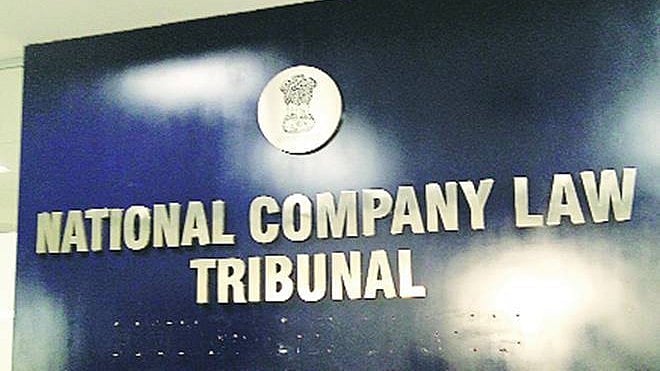
Mumbai: NCLT Refers Eros-Colour Yellow Dispute To Arbitration, Dismisses Oppression Plea
April 30, 2026
NCLT has referred the dispute between Eros International Media and Aanand L. Rai’s Colour Yellow Productions to arbitration, ruling that the allegations were contractual in nature rather than oppression or mismanagement claims.
Mumbai, April 30: The National Company Law Tribunal (NCLT) has referred a high-stakes dispute between Eros International Media Ltd. and filmmaker Aanand L. Rai’s Colour Yellow Productions Pvt. Ltd. to arbitration, holding that the allegations of oppression and mismanagement were essentially contractual in nature.
Tribunal refers dispute to arbitration
In its order dated April 28, 2026, the tribunal allowed an application under Section 8 of the Arbitration and Conciliation Act, 1996, and disposed of the company petition filed by Eros alleging mismanagement and siphoning of funds.
“The Petitioners evaded the arbitration invoked by the Respondents in 2021, thereafter settled the dispute, and consciously executed a further agreement prescribing reference to arbitration in the event of any future dispute between the parties. In sum and substance, the Petition is nothing but an attempt to circumvent the agreed arbitration clause… and is therefore vexatious in nature,” the tribunal observed.
Advocate Prachi Wazalwar appeared on behalf of Aanand L. Rai.
Dispute dates back to 2014 deal
The dispute traces back to a 2014 term sheet under which Eros acquired a 50% stake in Colour Yellow Productions, with clearly demarcated roles—Eros overseeing financial and production decisions, while Rai retained control over creative aspects.
Eros alleged that Rai and other respondents engaged in related-party transactions, failed to disclose key financial information, and excluded its nominee director from decision-making, thereby amounting to oppression and mismanagement under the Companies Act, 2013.
However, the tribunal held that the core allegations—ranging from financial irregularities to unauthorized third-party agreements—arose out of alleged breaches of contractual obligations under the 2014 term sheet and a subsequent 2023 agreement between the parties.
Claims rooted in contracts, says NCLT
A “holistic reading” of the petition, the bench noted, indicated that the grievances were rooted in contractual rights and obligations, despite being framed as statutory claims.
The NCLT emphasized that both agreements contained valid arbitration clauses mandating dispute resolution through arbitration. It rejected Eros’ contention that the disputes were non-arbitrable due to the nature of reliefs sought, including forensic audit and management restructuring.
The tribunal also dismissed claims that the right to invoke arbitration had been abandoned, noting that earlier disputes were settled and a fresh agreement executed in 2023 reaffirmed the arbitration mechanism.
Also Watch:
Petition disposed of
Concluding that the “substratum” of the dispute was contractual, the tribunal held that it was bound to refer the parties to arbitration. Consequently, both the interim application and the main company petition were disposed of.
Tribunal refers dispute to arbitration
In its order dated April 28, 2026, the tribunal allowed an application under Section 8 of the Arbitration and Conciliation Act, 1996, and disposed of the company petition filed by Eros alleging mismanagement and siphoning of funds.
“The Petitioners evaded the arbitration invoked by the Respondents in 2021, thereafter settled the dispute, and consciously executed a further agreement prescribing reference to arbitration in the event of any future dispute between the parties. In sum and substance, the Petition is nothing but an attempt to circumvent the agreed arbitration clause… and is therefore vexatious in nature,” the tribunal observed.
Advocate Prachi Wazalwar appeared on behalf of Aanand L. Rai.
Dispute dates back to 2014 deal
The dispute traces back to a 2014 term sheet under which Eros acquired a 50% stake in Colour Yellow Productions, with clearly demarcated roles—Eros overseeing financial and production decisions, while Rai retained control over creative aspects.
Eros alleged that Rai and other respondents engaged in related-party transactions, failed to disclose key financial information, and excluded its nominee director from decision-making, thereby amounting to oppression and mismanagement under the Companies Act, 2013.
However, the tribunal held that the core allegations—ranging from financial irregularities to unauthorized third-party agreements—arose out of alleged breaches of contractual obligations under the 2014 term sheet and a subsequent 2023 agreement between the parties.
Claims rooted in contracts, says NCLT
A “holistic reading” of the petition, the bench noted, indicated that the grievances were rooted in contractual rights and obligations, despite being framed as statutory claims.
The NCLT emphasized that both agreements contained valid arbitration clauses mandating dispute resolution through arbitration. It rejected Eros’ contention that the disputes were non-arbitrable due to the nature of reliefs sought, including forensic audit and management restructuring.
The tribunal also dismissed claims that the right to invoke arbitration had been abandoned, noting that earlier disputes were settled and a fresh agreement executed in 2023 reaffirmed the arbitration mechanism.
Also Watch:
Petition disposed of
Concluding that the “substratum” of the dispute was contractual, the tribunal held that it was bound to refer the parties to arbitration. Consequently, both the interim application and the main company petition were disposed of.